


Introduction
Internet humor changes every day, but some types of content never lose their charm. One of the most popular examples is silly images. These funny and unusual pictures make people laugh, share reactions and enjoy lighthearted moments online. Whether they feature animals making strange faces, unexpected photo edits or funny everyday situations, these images continue to entertain people of all ages.
People often share humorous pictures on social media, messaging apps, blogs and online communities. Their popularity comes from their simplicity. A single image can make someone smile within seconds. In a fast-moving digital world, that quick moment of laughter has become more valuable than ever.
Why Silly Images Are So Popular Online
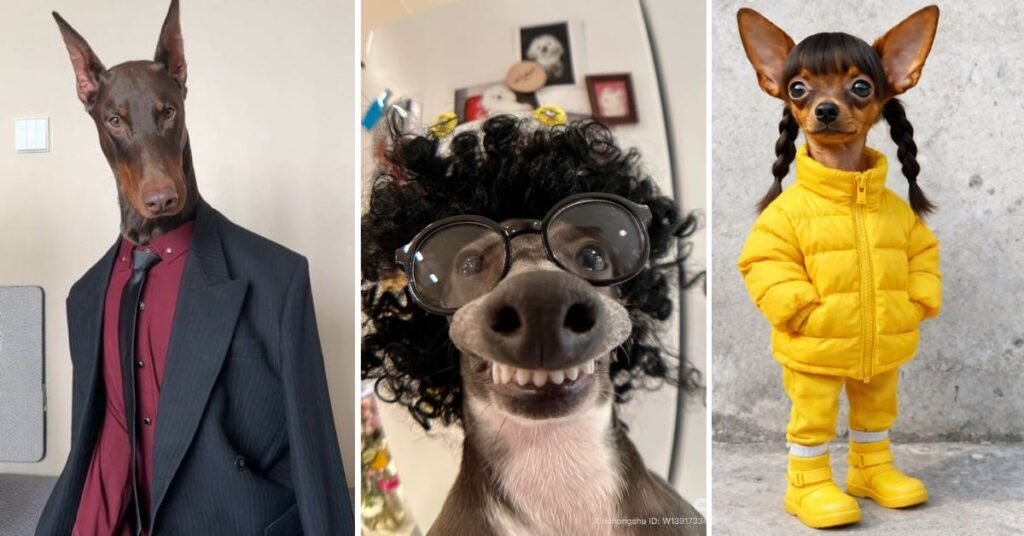
Humor is one of the strongest reasons people spend time online. Funny content attracts attention quickly and visual jokes often perform better than long text posts. A humorous picture can communicate an idea instantly without requiring much explanation.
Many users enjoy sharing amusing photos because they create positive interactions. Friends tag each other, families exchange funny pictures in group chats and content creators use them to increase engagement. The ability to connect people through laughter has helped these images remain relevant for years.
Another reason for their popularity is accessibility. Anyone can understand a funny visual regardless of age or language. This universal appeal allows humorous content to spread across different cultures and platforms with ease.
The rise of smartphones has also contributed to their growth. People can capture unexpected moments instantly and share them online within seconds. These spontaneous pictures often become viral because they feel genuine and relatable.
The Different Types of Silly Images Found Online
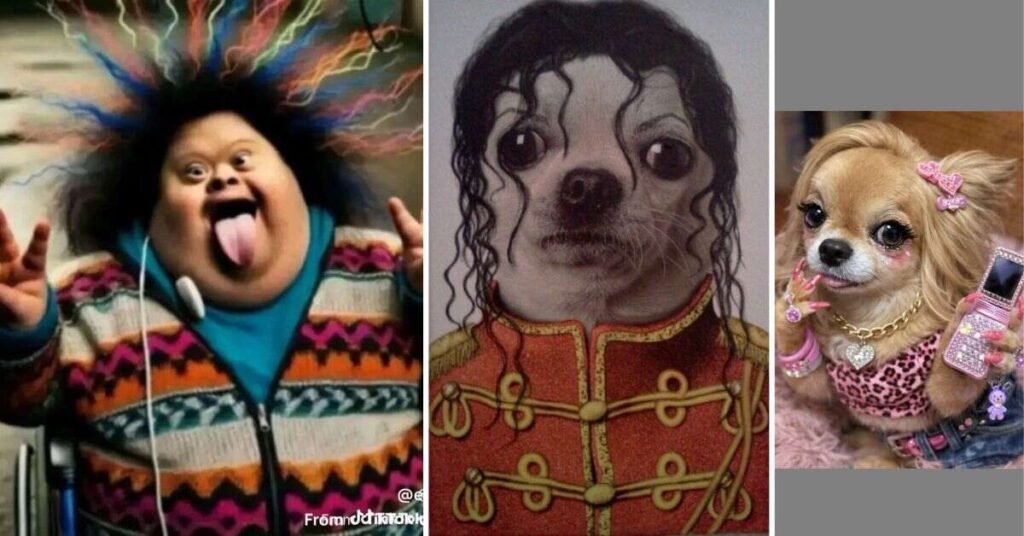
Funny pictures appear in many forms. Some are naturally humorous while others become entertaining through editing or creative captions.
Animal Photos
- Pets making funny facial expressions.
- Cats caught in strange positions.
- Dogs react dramatically to everyday situations.
- Wildlife images captured at the perfect moment.
Edited Pictures
- Creative photo manipulations.
- Face swaps with humorous results.
- Unexpected background changes.
- Exaggerated visual effects.
Everyday Funny Moments
- Accidental photo timing.
- Unexpected situations in public places.
- Funny signs and advertisements.
- Unusual fashion choices.
Cartoon and Illustrated Humor
- Comic-style jokes.
- Simple drawings with funny messages.
- Character-based visual humor.
- Animated reaction images.
Each category attracts different audiences, but all share the same goal, creating laughter and entertainment.
| Type | Why People Like It |
| Animal Photos | Cute and naturally funny |
| Edited Pictures | Creative and surprising |
| Everyday Moments | Relatable and authentic |
| Cartoons | Easy to understand and share |
How Silly Images Became Part of Internet Culture
The internet has transformed how people consume humor. Before social media, funny pictures were often shared through emails or online forums. Today, platforms allow users to spread content globally within minutes.
Visual humor became especially important because people scroll quickly through online feeds. Images capture attention faster than long text posts. As a result, humorous visuals became a major part of digital communication.
Many trends begin with a single funny picture. Users create variations, add captions and share new versions across different platforms. This process often turns a simple image into a viral sensation.
Communities dedicated to humor have also played an important role. Online groups constantly search for fresh content, helping entertaining images reach larger audiences. As technology improved, editing tools became easier to use, allowing more people to participate in creating funny visuals.
Today, humorous images are no longer just entertainment. They are a key part of online culture and communication.
How Silly Images Improve Social Media Engagement

Content creators understand the value of humor. Funny visuals often receive more likes, comments and shares than standard posts. People naturally enjoy content that makes them smile.
Social media algorithms also favor engaging content. When users react to a post, platforms often show it to more people. This increases visibility and helps funny images spread rapidly.
Brands have also adopted visual humor as part of their marketing strategies. Companies use lighthearted content to appear more approachable and connect with audiences on a personal level.
Benefits of using humorous visual content include:
Better Audience Interaction
- Encourages comments and reactions.
- Creates positive conversations.
- Increases sharing among users.
Higher Reach
- Generates more engagement signals.
- Improves visibility on social platforms.
- Attracts new followers.
Stronger Brand Personality
- Makes businesses seem more human.
- Builds emotional connections.
- Creates memorable experiences.
These benefits explain why humorous content remains one of the most effective forms of social media communication.
The Psychology Behind Silly Images and Online Humor
Humor has a powerful effect on the human mind. People naturally seek experiences that make them feel good. Laughter releases positive emotions and helps reduce stress.
Visual humor works particularly well because the brain processes images quickly. A funny picture can create an emotional response almost instantly. This makes visual jokes highly effective compared to longer forms of entertainment.
Unexpected situations often produce the strongest reactions. When viewers see something surprising, their brains recognize the unusual combination and interpret it as humorous. This element of surprise explains why many funny images become popular.
Relatability also plays an important role. People enjoy content that reflects their daily experiences. When viewers recognize a situation from their own lives, they are more likely to laugh and share it with others.
The combination of surprise, relatability and simplicity makes humorous visual content highly engaging.
Creating Your Own Silly Images for Fun
Modern technology has made image creation easier than ever. Anyone with a smartphone can capture funny moments and share them online.
The key is paying attention to everyday situations. Many entertaining pictures come from ordinary moments viewed from a different perspective. Good timing can transform a simple photo into something memorable.
When creating humorous visuals, focus on authenticity. Forced jokes often feel unnatural, while genuine moments usually receive better reactions.
Tips for Creating Funny Content
- Capture spontaneous moments.
- Use natural expressions.
- Keep edits simple.
- Focus on relatable situations.
- Avoid overly complicated jokes.
Editing Suggestions
- Add light captions when necessary.
- Use basic image enhancement tools.
- Maintain image quality.
- Avoid excessive filters.
Simple ideas often produce the best results because they are easier for audiences to understand and enjoy.
Common Places Where People Share Silly Images
Funny visual content appears across many online platforms. Each platform attracts different types of audiences and sharing styles.
| Platform | Popular Content Style |
| Social Media | Viral humor and trends |
| Messaging Apps | Personal sharing |
| Online Forums | Community-based humor |
| Blogs | Curated collections |
| Entertainment Sites | Professional content |
Users often discover funny content on one platform before sharing it elsewhere. This cross-platform sharing helps entertaining images reach wider audiences.
Private messaging groups are especially important because people frequently exchange humorous content with friends and family. These personal recommendations often help images gain popularity more quickly than public posts.
The Future of Silly Images in Digital Entertainment
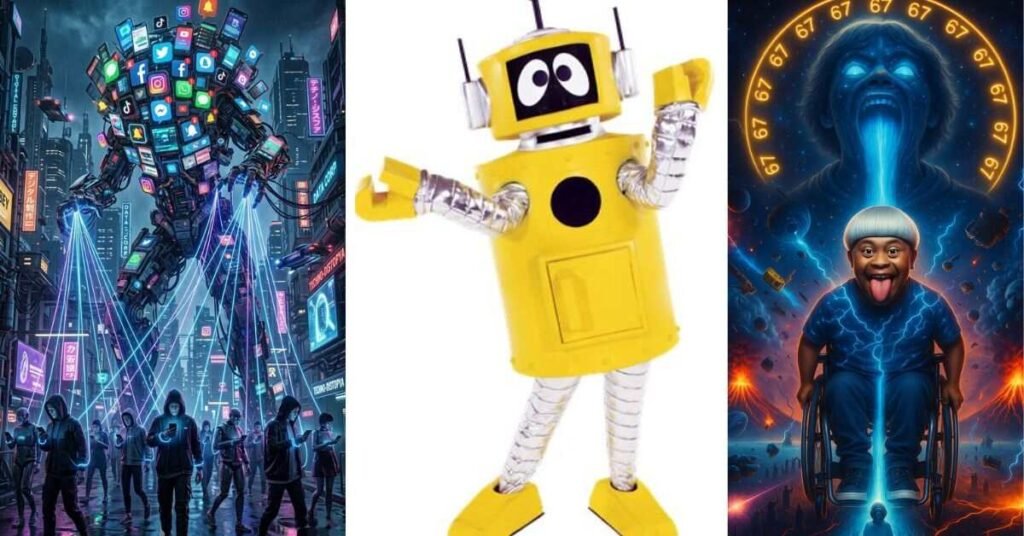
Technology continues to change how people create and consume online content. Artificial intelligence, advanced editing tools and improved smartphone cameras have expanded creative possibilities.
Despite these changes, the core appeal of humorous pictures remains the same. People enjoy content that makes them laugh and helps them connect with others.
Future trends may include more interactive visual experiences and AI-generated humor. However, genuine funny moments will likely remain popular because authenticity continues to resonate with audiences.
As new platforms emerge, visual humor will adapt to changing user preferences. Yet the simple idea behind funny pictures bringing joy through unexpected moments will remain timeless.
Conclusion
The popularity of silly images shows how much people value humor in their daily lives. These entertaining pictures provide quick laughs, encourage social interaction and help create positive online experiences. From funny animal photos to clever edits and unexpected everyday moments, visual humor continues to attract audiences around the world.
As technology evolves, new forms of entertainment will appear but the appeal of a simple funny picture is unlikely to disappear. People will always enjoy sharing laughter and humorous images remain one of the easiest ways to do that online.
FAQs
What are silly images?
They are funny or unusual pictures designed to entertain, make people laugh or create humorous reactions.
Why do people share funny images online?
People share them because they are entertaining, easy to understand and help create positive social interactions.
Can anyone create humorous images?
Yes. Anyone with a smartphone or basic editing tools can create and share funny visual content.
Why do animal photos become popular?
Animals often display unexpected expressions and behaviors that people find amusing and relatable.
Do funny pictures help social media engagement?
Yes. Humorous content often receives more likes, comments and shares than standard posts.
Are edited images more popular than natural photos?
Both styles are popular. Some users prefer authentic moments, while others enjoy creative edits and visual effects.
Will humorous images remain popular in the future?
Most likely. People enjoy laughter and entertainment, so visual humor will continue to be an important part of online culture.